01 · His Story
A grandson of founders, a student of the world.
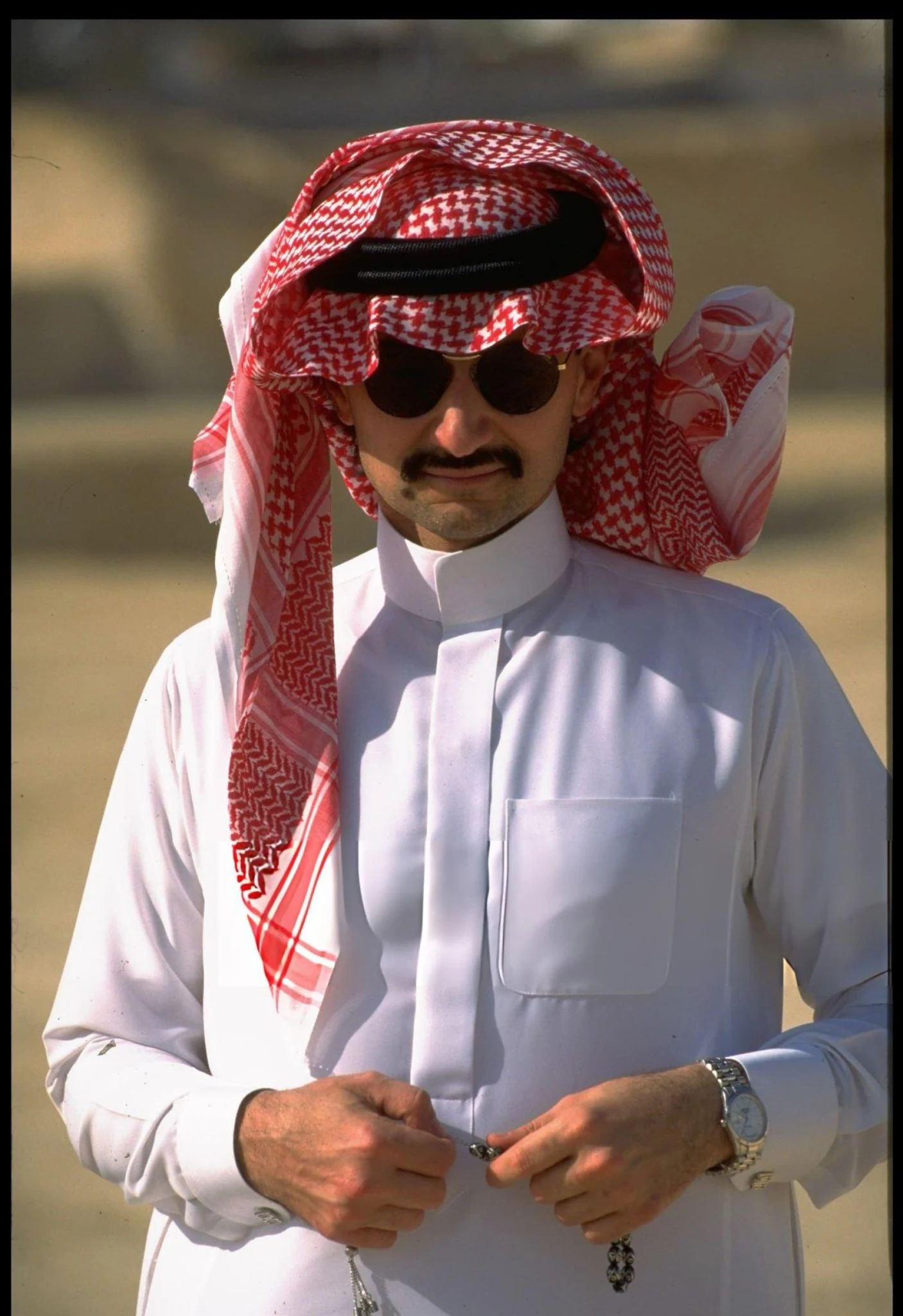
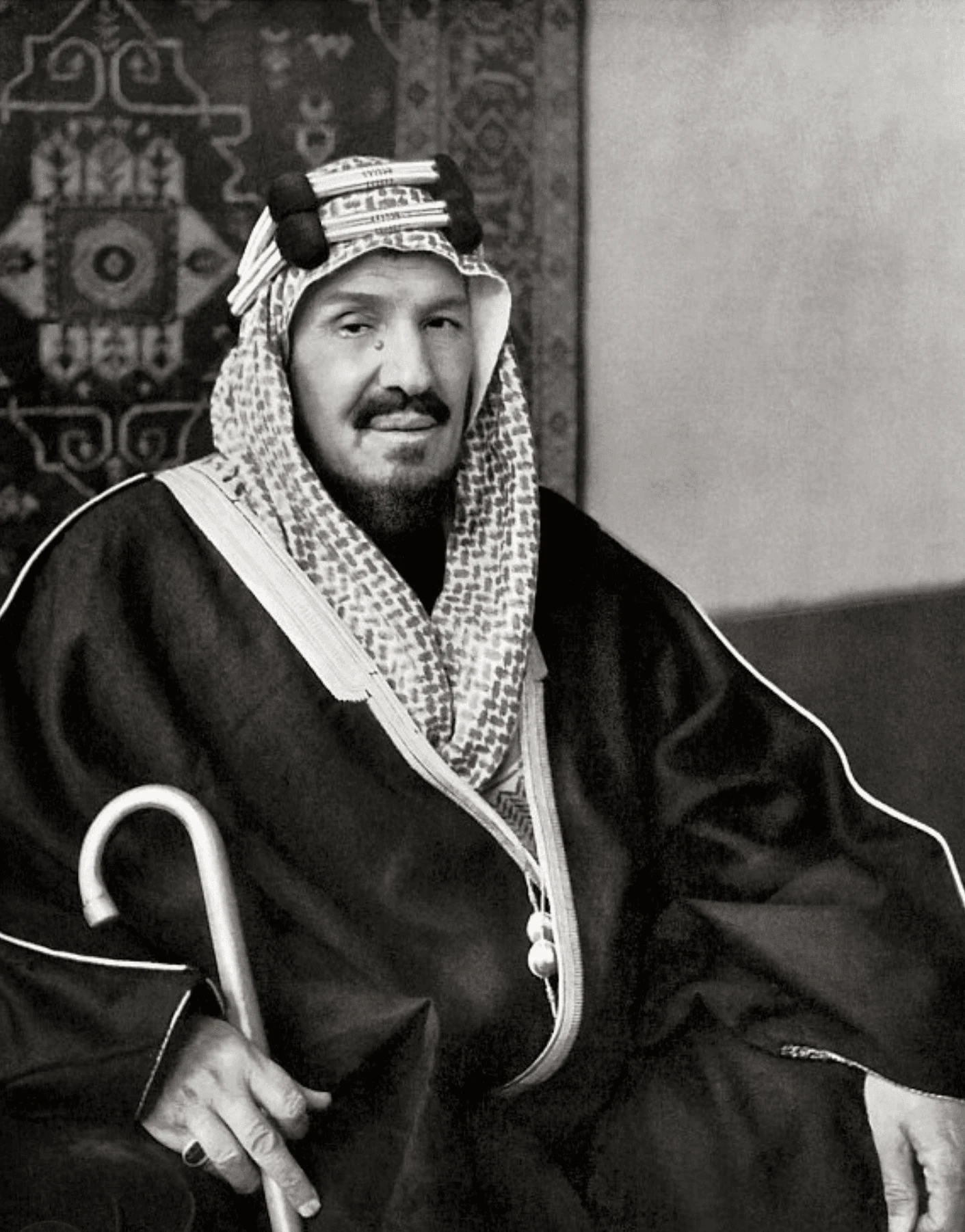
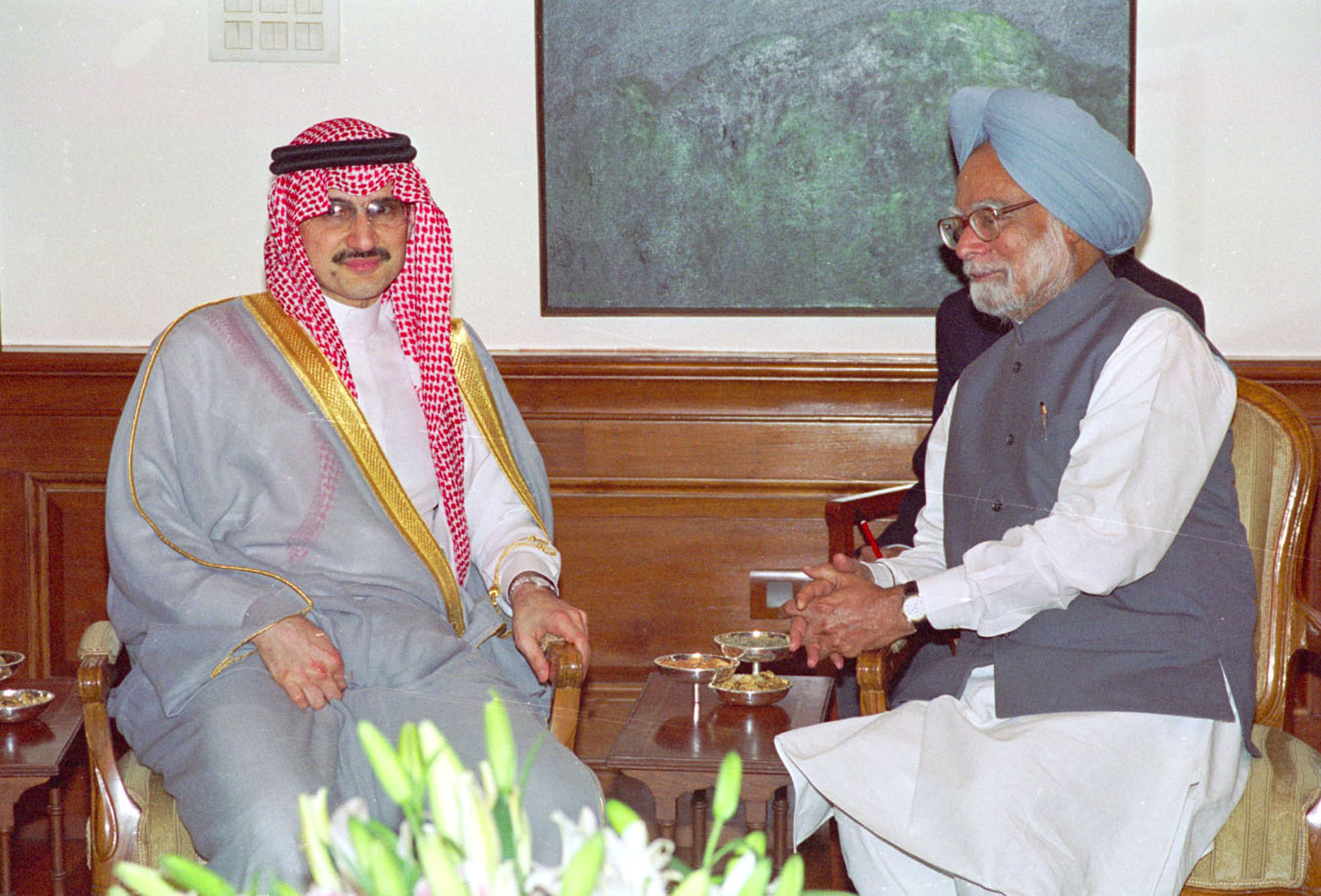
Born in 1955 into two of the region's founding houses — grandson of King Abdulaziz Al Saud, who unified Saudi Arabia, and of Riad El Solh, independent Lebanon's first prime minister — he grew up between Riyadh and Beirut, studied in California and New York, and returned home to build.
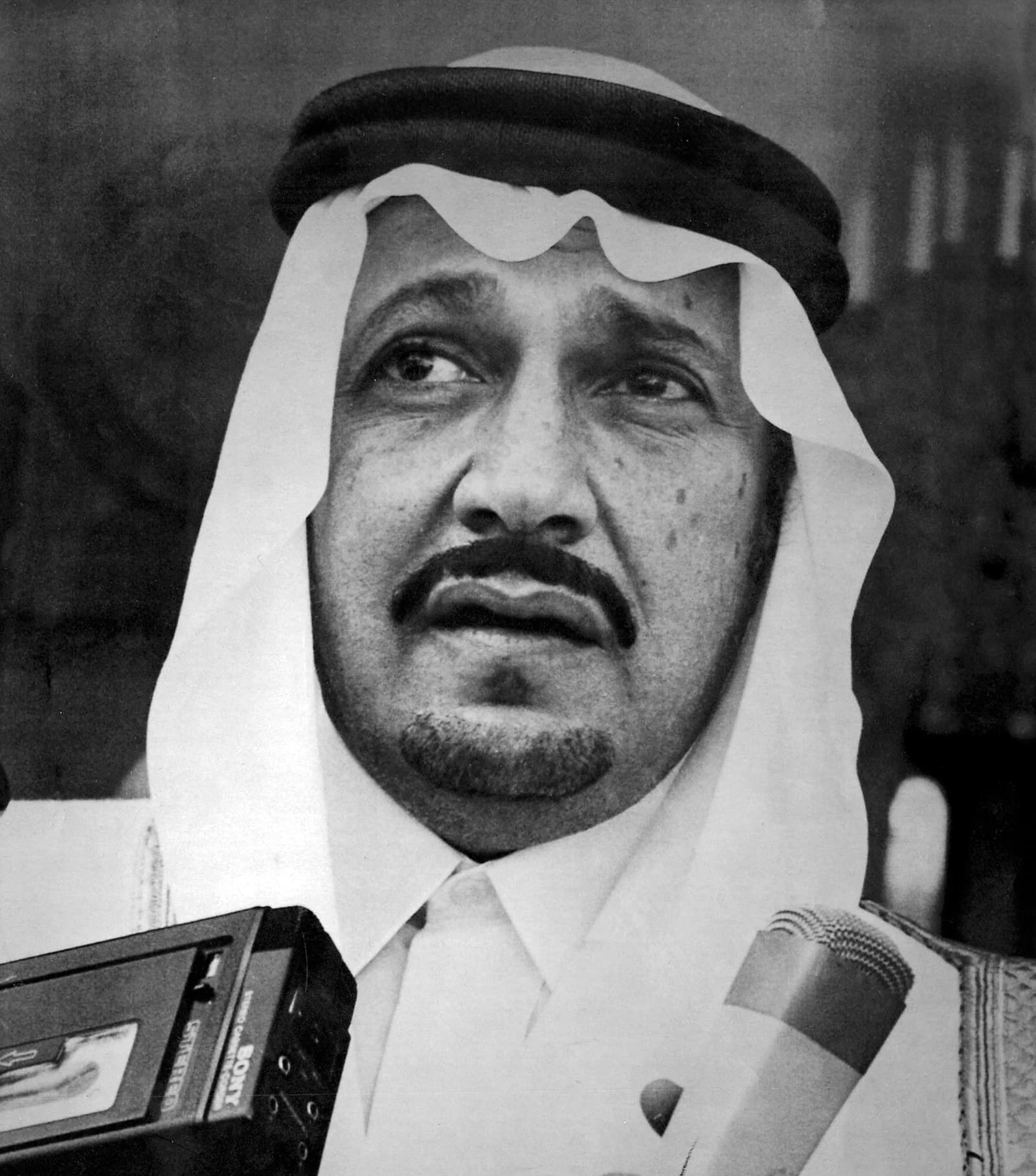
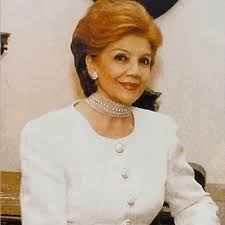
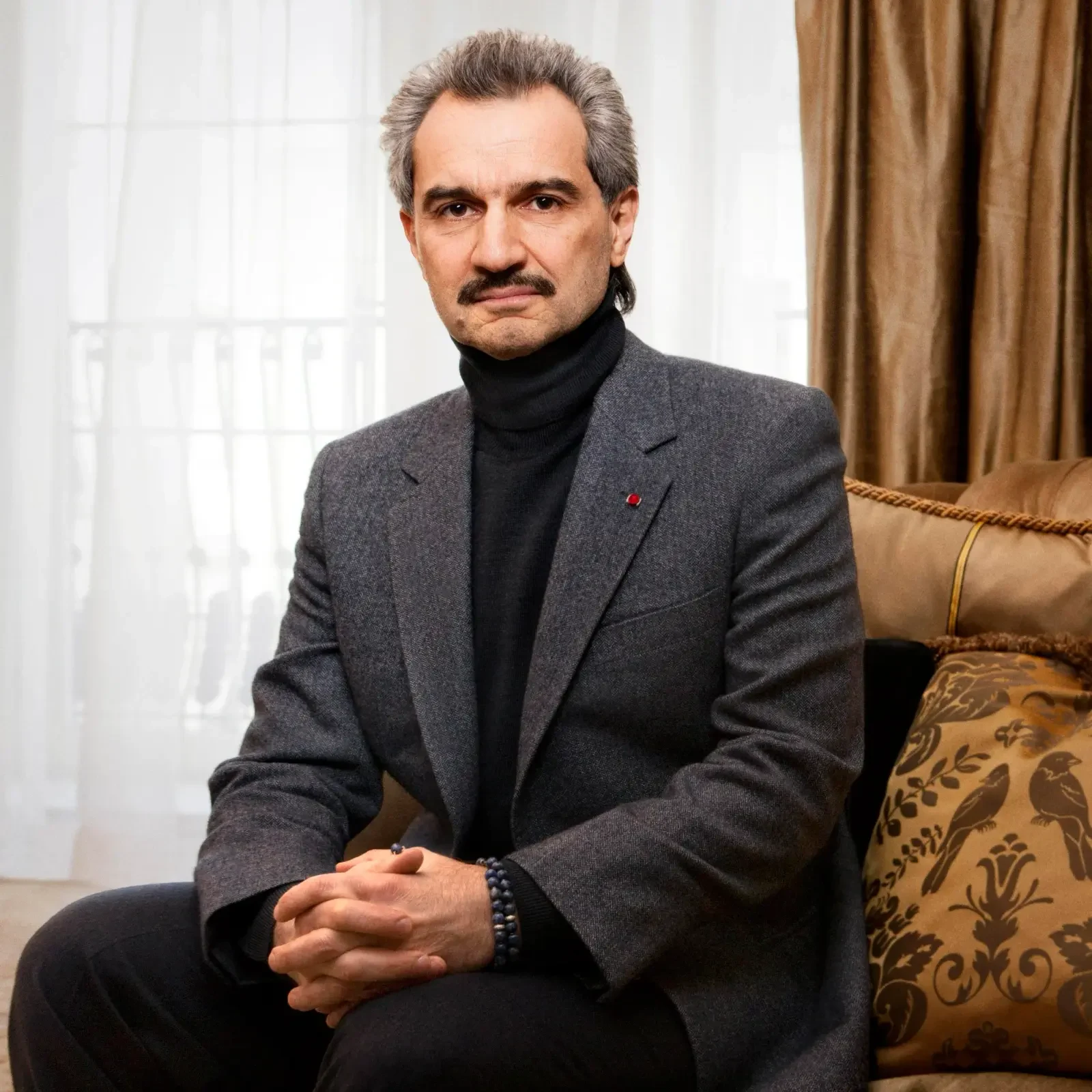
Born on 7 March 1955 to Prince Talal bin Abdulaziz and Princess Mona El Solh, Prince Alwaleed bin Talal came of age between two worlds — the young Saudi Kingdom his grandfather had founded, and the Beirut of his mother's family, where his other grandfather had led Lebanon to independence. He earned a business degree at Menlo College in California, magna cum laude, and came home in 1980 with a modest stake from his father to open a small office in Riyadh. A master's from Syracuse followed in 1985. The ambition was set early: build something enduring, and give most of it away.
1955
Born
On 7 March, to Prince Talal bin Abdulaziz and Princess Mona El Solh.
1968
Two cities
A boyhood divided between the Kingdom and cosmopolitan Beirut.
1979
Menlo College
A B.S. in Business Administration, magna cum laude — finished in two and a half years.
1980
First venture
Kingdom Establishment opens in a small Riyadh office — the seed of everything after.
1985
Syracuse University
A master's in Social Science, with honors, from the Maxwell School.
1991
The Citicorp bet
A contrarian stake in a struggling American bank announces a global investor.
1998
Kingdom Holding
The enterprise takes its enduring name.
2002
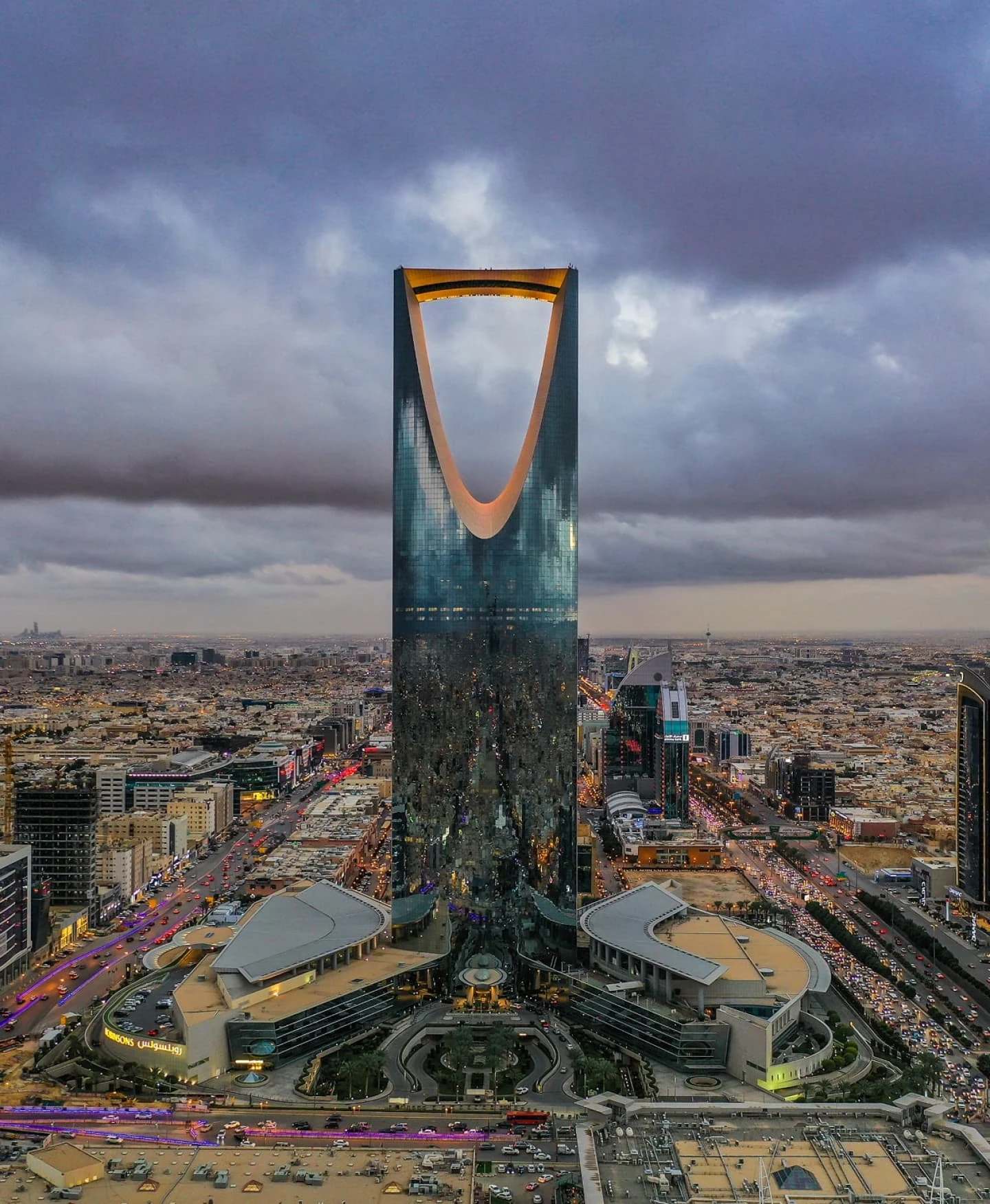
Kingdom Centre
A 302-metre landmark rises on the Riyadh skyline.
2015
The pledge
A promise, in writing, to give his entire fortune to philanthropy.
03 · Vision
The world as he sees it.
Before the deals and the towers there is a worldview — set down over four decades in his own words: that position is responsibility, that East and West are to be bridged rather than chosen between, and that a fortune is a means, not an end.
His philosophy begins from faith and place. Religiously committed and culturally open, he has described a duty to use his influence and connections to promote understanding and peace between peoples — to open dialogue between Islam and other world cultures, and to aid people in need regardless of nationality, race, or creed. In business the same worldview appears as patience: research diligently, take the reasonable risk, buy what others doubt, and hold for decades. In the Kingdom it appears as ambition made visible — towers, airlines, resorts, and schools that carry Saudi Arabia's story forward. And in giving it appears as totality: the 2015 pledge of his entire fortune to philanthropy, so that the work continues beyond any one lifetime.
I
Bridging East and West
From centres for Islamic studies at Harvard, Georgetown, Cambridge, and Edinburgh to Islamic art galleries at the Louvre, he has spent decades building institutions where cultures meet — convinced that understanding is built, not wished for.
II
Empowering women and youth
An early and public advocate of Saudi women working and driving, he has matched conviction with programs — from cars that turned women into wage-earners to global scouting partnerships reaching millions of young people.
III
Giving as duty
He describes philanthropy not as charity but as obligation — an intrinsic part of his Islamic faith, practised since the early 1980s and sealed by the 2015 pledge of his entire fortune.
IV
The long view
His investing creed is patience: diligent research, the courage to accept the reasonable risk, and the discipline to hold — Citicorp for three decades, hospitality for four. The New York Times and Time called him the Arabian Warren Buffett.
V
Saudi Arabia's tomorrow
The newest chapter points home: the kilometre-high Jeddah Tower rising again, a Red Sea resort island, a listed national airline, and football's Al-Hilal — private capital placed squarely behind the Kingdom's transformation.
05 · Philanthropy
Giving as vocation.
Through Alwaleed Philanthropies — the foundation he founded and chairs — Prince Alwaleed has pursued philanthropy without boundaries: giving unrestricted by border, race, faith, or gender.
$5B+
Committed globally
as reported by the foundation, 2026
1.5B
Lives touched
beneficiaries across six continents
190
Countries reached
regardless of gender, race, or religion
45+
Years of giving
of continuous support since 1980
What began as personal giving in the early 1980s became one of the world's largest private foundations — by its own current account, more than $5 billion committed across 190 countries, with work that has touched 1.5 billion lives over 45+ years (figures as published by the foundation, 2026). In 2015 the Prince pledged his entire fortune, then valued at about $32 billion, to its work — a commitment he modelled on the Gates Foundation and described as a duty of faith. The foundation is led day to day from Riyadh, with his children Prince Khaled and Princess Reem among its trustees.
Five areas of work
Developing Communities
Housing, mobility, and dignity at scale — from thousands of homes and cars granted to Saudi families each year to 600 housing units rebuilt with the UN in Yemen.
Women & Youth Empowerment
From cars that made Saudi women wage-earning drivers with Careem, to global scouting partnerships reaching millions of young people in more than 140 countries.
Bridging Cultures Together
Islamic art galleries at the Louvre, the Multaka programme at Oxford's museums, and Alwaleed centres at Harvard, Georgetown, Cambridge, Edinburgh, Beirut, and Cairo.
Providing Disaster Relief
Rapid response where catastrophe strikes — from earthquake recovery in Albania to reconstruction partnerships across the region.
Supporting a Healthier Environment
Climate intelligence through the Atlai platform and programmes that tie community wellbeing to a livable planet.